Top 5 Spices in North Indian Cooking
Discover the essential spices that bring authentic North Indian flavors to life at Passage to India in Cambridge.
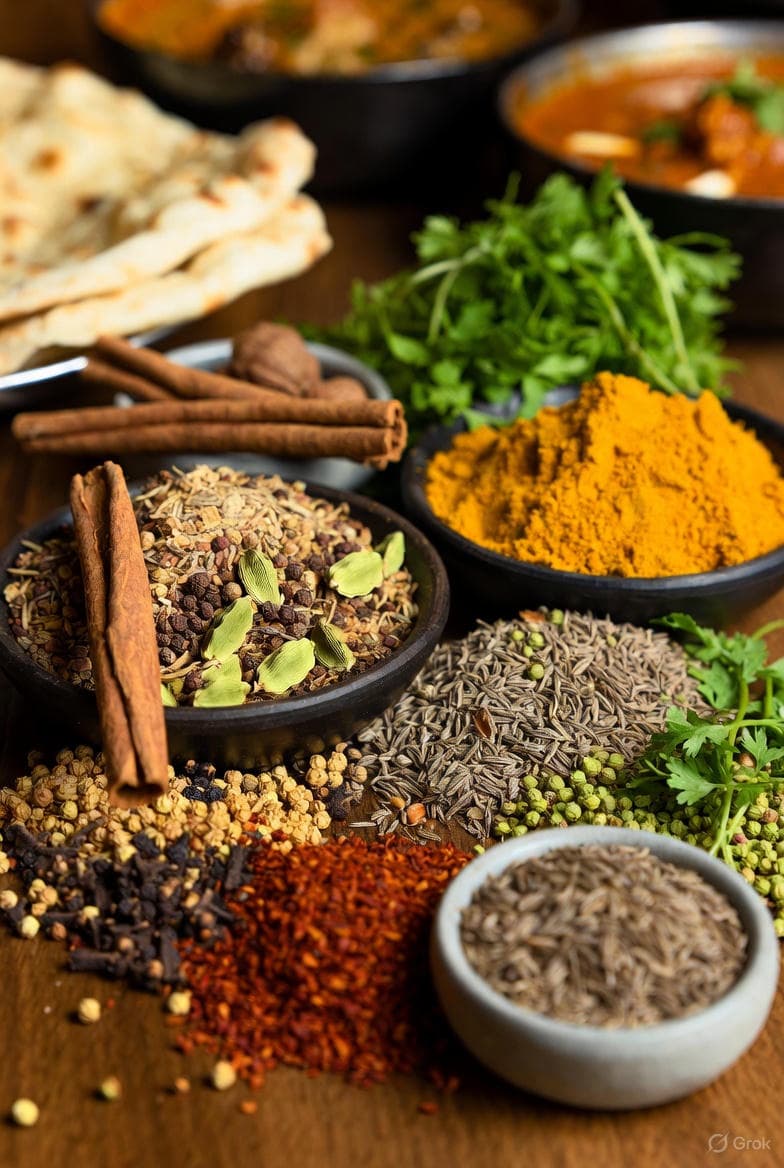
North Indian cuisine is renowned for its rich, aromatic flavors, and at the heart of these incredible tastes are the spices. At Passage to India, we've been using authentic Indian spices since 1991 to create dishes that transport you to the streets of Delhi and the kitchens of Punjab. Here are the top 5 spices that define North Indian cooking.
1. Garam Masala
Garam masala, meaning "hot spice blend," is the cornerstone of North Indian cooking. This aromatic blend typically includes cardamom, cinnamon, cloves, cumin, coriander, black pepper, and nutmeg. Unlike curry powder, garam masala is usually added at the end of cooking to preserve its delicate flavors.
At Passage to India, we use garam masala in dishes like our butter chicken and chicken tikka masala, where it adds warmth and depth without overwhelming heat. The blend creates that signature North Indian aroma that fills the restaurant.
2. Turmeric (Haldi)
Turmeric is the golden spice that gives many Indian dishes their vibrant yellow color. Beyond its visual appeal, turmeric offers a warm, slightly bitter flavor and is known for its health benefits. It's one of the first spices added to hot oil, releasing its earthy aroma.
You'll find turmeric in almost every curry at Passage to India, from our vegetable curries to our lentil dishes (dal). It's essential in creating the base flavor profile of North Indian cuisine.
3. Cumin (Jeera)
Cumin seeds are toasted in hot oil at the beginning of cooking, releasing a nutty, earthy aroma that forms the foundation of many North Indian dishes. Whole cumin seeds are used for tempering, while ground cumin adds depth to spice blends.
Our jeera rice at Passage to India showcases cumin's ability to transform simple basmati rice into a fragrant side dish. Cumin is also essential in our spice blends for curries and tandoori dishes.
4. Coriander (Dhania)
Coriander seeds, when ground, provide a citrusy, slightly sweet flavor that balances the heat of other spices. Fresh coriander leaves (cilantro) are used as a garnish, adding a bright, fresh finish to dishes.
Ground coriander is a key component in our curry bases, working alongside cumin to create the complex flavor profile of North Indian cuisine. You'll taste it in our chicken korma and vegetable curries.
5. Red Chili Powder (Lal Mirch)
Red chili powder provides the heat that many associate with Indian food. However, in North Indian cooking, it's used judiciously to add warmth rather than overwhelming spice. The amount varies by dish, from mild in butter chicken to fiery in vindaloo.
At Passage to India, we offer dishes at various spice levels. Our chicken tikka masala uses red chili powder for a gentle warmth, while our lamb vindaloo showcases its full potential for those who love spicy food.
Experience Authentic Spices at Passage to India
These five spices, along with others like cardamom, cinnamon, and fenugreek, create the complex, layered flavors that define North Indian cuisine. At Passage to India in Cambridge, we source authentic spices and use traditional techniques to bring these flavors to life.
Visit us at 3 Glassworks Ave in Cambridge Crossing to experience these spices in our authentic North Indian dishes. Whether you prefer mild or spicy, vegetarian or meat dishes, our menu showcases the best of North Indian cooking.